
How Thai Massage Supports Pain Relief: Expert Care You Can Trust
Living with chronic pain or stiffness can make everyday tasks feel harder and more frustra...


A car accident can leave you feeling shaken, even if the only signs afterward are mild aches, stiffness, or no pain at all. Those seemingly minor symptoms can sometimes hide deeper issues, which is why auto injury treatment after a car accident matters—both for your long-term health and for protecting personal injury claims.
In this blog, we’ll explain the science behind delayed symptoms, recommend a treatment timeline, break down how insurance views post-accident care, and provide early, actionable steps to protect your recovery and rights.

After a collision, your body releases stress hormones like adrenaline that conceal pain, making car accident injuries feel less severe than they really are. Because of this response, soft tissue injuries, whiplash, concussions, spine misalignment, and even internal bleeding may not show symptoms until days or weeks later.
These hidden auto accident injuries can quietly worsen, creating long-term pain and mobility issues if left untreated. Recognizing delayed symptoms early allows for proper diagnosis, timely care, and better outcomes for your recovery.

It’s advisable to seek medical attention after a car accident within the first 72 hours after a collision. Early evaluation identifies injuries before they worsen and strengthens personal injury claims by clearly linking them to the accident.
Prompt care is especially important because many conditions do not present immediately and may only appear later, such as:
When these types of injuries go untreated, they can progress into chronic pain and long-term mobility issues that are far harder to manage.
When there are gaps in medical documentation after a car accident, insurance companies may question whether your injuries are related to the accident or how severe they are, which can weaken a personal injury case. Adjusters sometimes use delays in treatment to suggest that symptoms developed later or were caused by something other than the accident.
To protect yourself, keep detailed records of medical visits, diagnostic tests, prescribed treatments, and symptom changes. Consistent documentation supports both your recovery and your claim’s credibility.
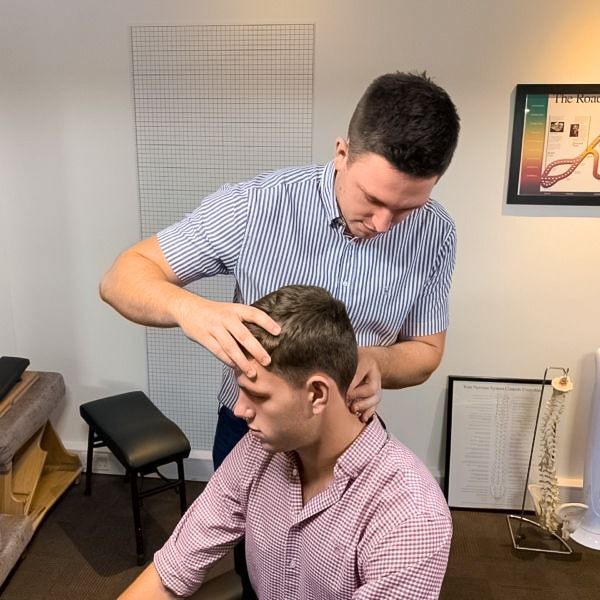
After any collision, taking the proper steps early helps protect your health, prevent long-term complications, and strengthen your ability to recover physically and financially. Consider the following actions to support your healing and documentation:
Seeing a doctor within 72 hours helps uncover hidden injuries early and establishes a treatment baseline that supports healing, reduces pain, and strengthens documentation—whether you visit a chiropractor, primary care physician, or specialist.
Keeping a symptom journal, photos, and medical reports creates a clear record of how your condition changes over time. This documentation supports accurate diagnosis while strengthening insurance and legal claims.
Adhering to prescribed care, follow-up appointments, and therapeutic interventions like physical therapy allows injuries to heal properly, prevents chronic issues, and demonstrates responsibility in your recovery process.
Taking these simple but critical steps after a car accident helps protect your long-term health while ensuring your recovery is fully documented and supported.
You should seek treatment within the first 24–72 hours. Even if you feel fine, adrenaline and shock can mask injuries like whiplash, soft-tissue damage, or concussion after a car accident, which may become painful days later. Early evaluation protects your health and provides documentation for insurance or legal claims.
Some of the injuries that might not show symptoms immediately include:
Yes, delaying treatment can negatively affect your personal injury claim. It can make it harder to show that your injuries are connected to the accident, since insurance companies may question their severity or cause.
For accident-related injuries, it’s best to see a doctor who can evaluate and treat your specific symptoms. This may include:
If new symptoms show up days after the crash, don’t ignore them. Schedule a medical checkup right away to uncover any hidden injuries and keep your records up to date.
Timely auto injury treatment after a car accident is essential for protecting your long-term health and supporting insurance or a personal injury claim. Early evaluation helps reduce the risk of chronic pain, ensures proper medical documentation, and allows injuries to be treated before they worsen.
By seeking immediate care and following your prescribed treatment plan, you safeguard both your recovery and your legal rights. At Better Care Chiropractic and Physical Therapy, we offer personalized treatment plans to treat common car accident injuries. Book your consultation today for professional auto injury treatment in Montgomery and Willis!









Willis
804 W Montgomery St, Willis, TX, 77378
Montgomery
17099 Walden Rd Suite 100 Montgomery, TX. 77356