
Why Professional Physical Therapy Matters for Long-Term Pain Relief
Nagging pain can develop from everyday life, whether it’s hours at a desk, heavy lifting, ...


Living with arthritis means facing joint stiffness, swelling, and discomfort that make simple tasks like getting out of bed, walking, or gripping objects challenging. This condition is one of the leading causes of pain, affecting an estimated 53.2 million adults in the U.S.
The good news is that many people find relief without surgery or long-term medication. When joint pain interferes with daily life, nonsurgical arthritis care offers a safer path to relief and mobility.
This blog explores arthritis treatment options, from chiropractic care to targeted lifestyle modifications, and how they can help you regain control of your movement, reduce discomfort, and maintain an active life despite arthritis.

Arthritis causes inflammation that makes joints warm, swollen, and painful, limiting your range of motion and ability to perform everyday activities. The two most common types are:
While the diagnoses differ, treatment often focuses less on the label and more on how symptoms affect movement, strength, and daily function. Addressing arthritis early is essential, as timely, conservative care can help protect joint health, slow progression, and maintain mobility.
Chiropractic care supports arthritis management by improving joint alignment, spinal mechanics, and nervous system communication. Gentle, low-force adjustments reduce joint stress by enhancing motion and decreasing mechanical strain on affected areas.
These techniques are adapted to each person’s comfort level and mobility, making them safer for joints affected by arthritis. For many, chiropractic care is a conservative option that complements other treatments to help manage arthritis pain.
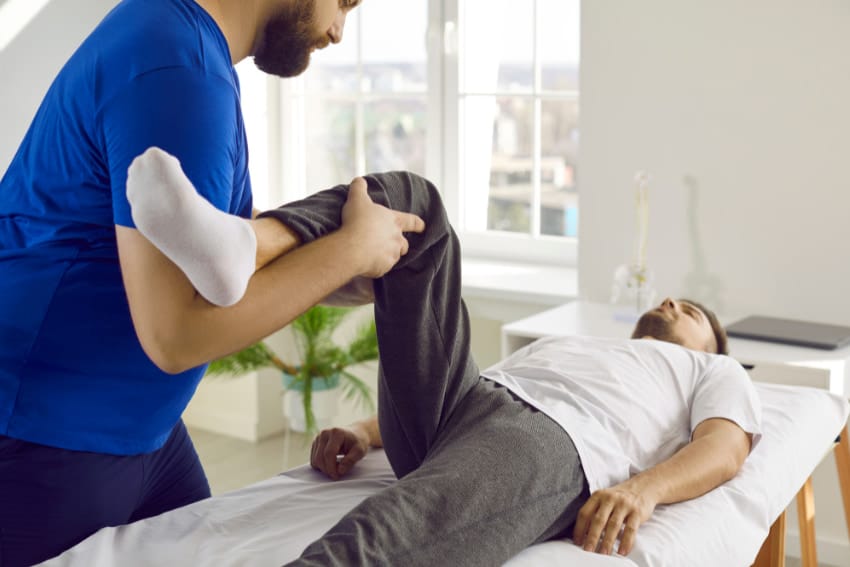
Physical therapy for arthritis improves joint function by restoring the range of motion and strengthening muscles that support affected joints. Targeted exercises reduce joint stress by stabilizing areas such as the knees in osteoarthritis or by improving shoulder mobility for individuals with upper-joint arthritis.
Balance and functional training make everyday movement easier by building stability, coordination, and control. These exercises are designed to improve mobility so you can walk, climb stairs, or carry out daily tasks more confidently. With guided therapy, you progress safely by using proper form and moving at a pace your body can handle.
Pain management injections provide targeted relief by reducing joint inflammation and easing localized pain. Because they’re minimally invasive, these treatments make it easier to stay mobile and manage discomfort that might otherwise hold you back from therapy or daily activities.
Injections complement conservative care by working alongside physical therapy and chiropractic treatment. When used as part of a coordinated plan, arthritis medications like injections support recovery by easing movement during rehab.

Regenerative medicine supports joint health by encouraging the body’s natural repair processes, aiming to improve tissue function and comfort. These therapies may help reduce inflammation and promote healthier joint mechanics over time, assisting movement and easing discomfort.
A professional evaluation ensures the therapy is safe and appropriate for your condition and goals. While not a cure, it offers supportive care by working alongside other conservative treatments to help you stay active.
Massage therapy reduces muscle tension by loosening tight spots and allowing sore muscles to relax. Techniques like myofascial release improve movement, support joint flexibility, and even boost circulation so your body feels less heavy or swollen.
For individuals with arthritis, massage can help improve mobility, reduce stiffness, and ease chronic pain, making daily activities more comfortable.
Small daily choices can make a big difference in managing arthritis and maintaining joint comfort. Incorporating these simple lifestyle habits can support joint function and reduce discomfort:

By combining these strategies with professional care, you can protect joint health, ease stiffness, and maintain mobility over time.
Early intervention can help protect joint function and keep you moving comfortably. Seek professional care if you experience the following:
Getting an early evaluation can help protect your joints and slow down changes that affect daily movement. In Montgomery and Willis, conservative treatment is designed to be personal and collaborative, combining professional guidance with therapies that fit your individual needs.
Yes. Chiropractic care can help ease joint stress, improve alignment, and support mobility. It works best as a conservative option for osteoarthritis and should be guided by a professional.
Absolutely. Physical therapy uses gentle, guided exercises tailored to your pain tolerance to help improve strength, flexibility, and joint function safely.
No. Injections provide temporary relief but are most effective when combined with physical therapy or other conservative treatments, not as standalone solutions.
Yes. Losing excess weight decreases stress on joints, particularly the knees and hips, which can lessen pain and improve mobility.
The right treatment looks different for everyone. A healthcare professional can help you explore your options and find a mix of therapies that effectively support your comfort and mobility.
You don’t have to live your life in pain. Effective arthritis management combines chiropractic care, physical therapy, injections, regenerative medicine, massage, and lifestyle strategies tailored to your needs. Working together, these approaches reduce pain, improve mobility, and support joint function.
At Better Care Chiropractic & Physical Therapy, we offer personalized, conservative arthritis treatment options to help you feel your best. Schedule a consultation today to create a plan that keeps your joints healthy and movement comfortable.








Willis
804 W Montgomery St, Willis, TX, 77378
Montgomery
17099 Walden Rd Suite 100 Montgomery, TX. 77356