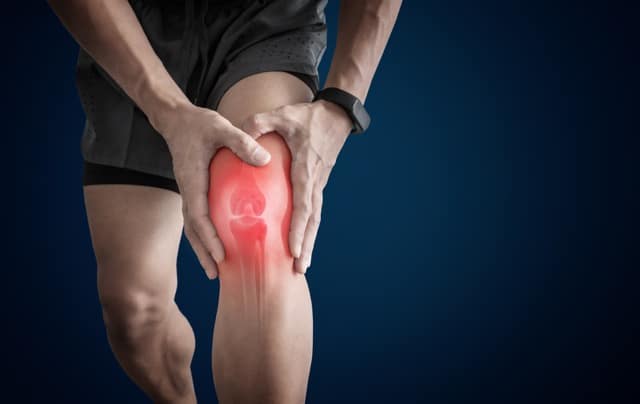
Arthritis Treatment Options: How to Manage Pain and Improve Mobility
Living with arthritis means facing joint stiffness, swelling, and discomfort that make sim...


Living with chronic pain or stiffness can make everyday tasks feel harder and more frustrating. If you are looking for a conservative treatment for pain, Thai massage is something that you must try.
Thai massage is a movement‑based bodywork that blends stretching and pressure to ease tension and support overall comfort.
In this blog, we will discuss how Thai massage pain relief works, its core techniques, Thai massage benefits, how it compares with other massage types, key safety considerations, and how it can fit into a broader pain management routine.
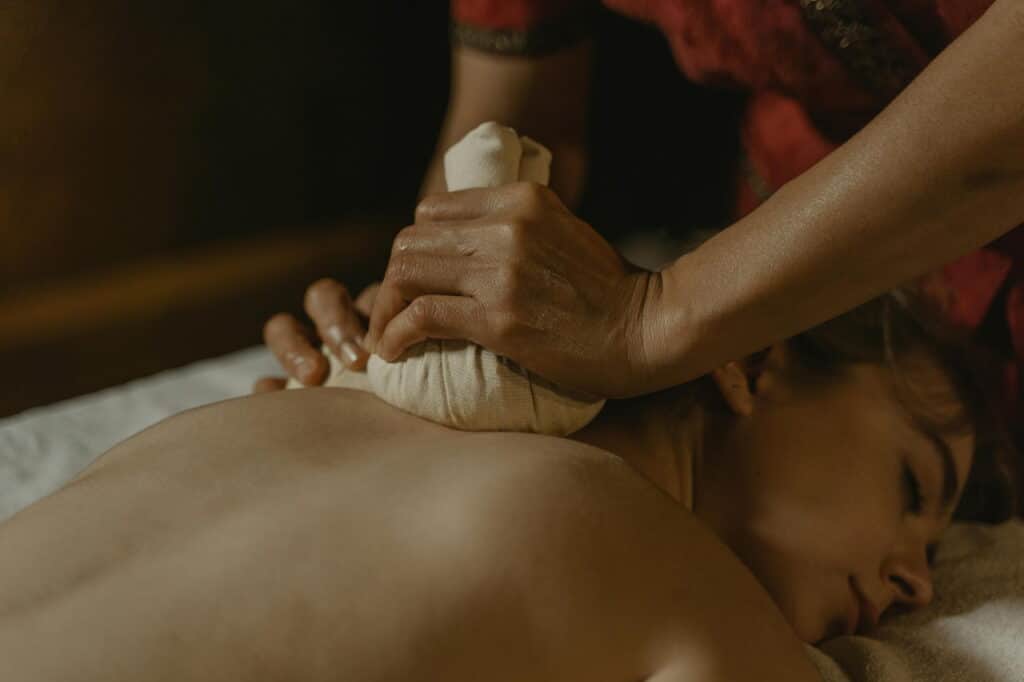
Thai massage, known as Nuad Thai, began in Thailand and evolved into a holistic practice influenced by yoga and Ayurvedic traditions. It aims to balance the body and improve physical function through mindful movement and pressure.
Many patients are curious about how Thai massage helps with pain. As a form of chronic pain relief massage, it targets muscles, joints, and connective tissue to reduce tension, improve circulation, and encourage greater flexibility.
Unlike general relaxation massage, Thai massage applies assisted movement patterns that can stimulate the body’s natural healing processes. This therapy makes it especially useful for addressing chronic discomfort and supporting long-term mobility.
Thai massage can be a supportive tool for easing discomfort and improving movement in various conditions, including:
By addressing these common issues, Thai massage supports pain relief, enhances flexibility, and helps maintain comfort during daily activities.

Not sure what to expect on your first Thai massage? Don’t fret; the experience is built to be gentle, supportive, and easy to follow.
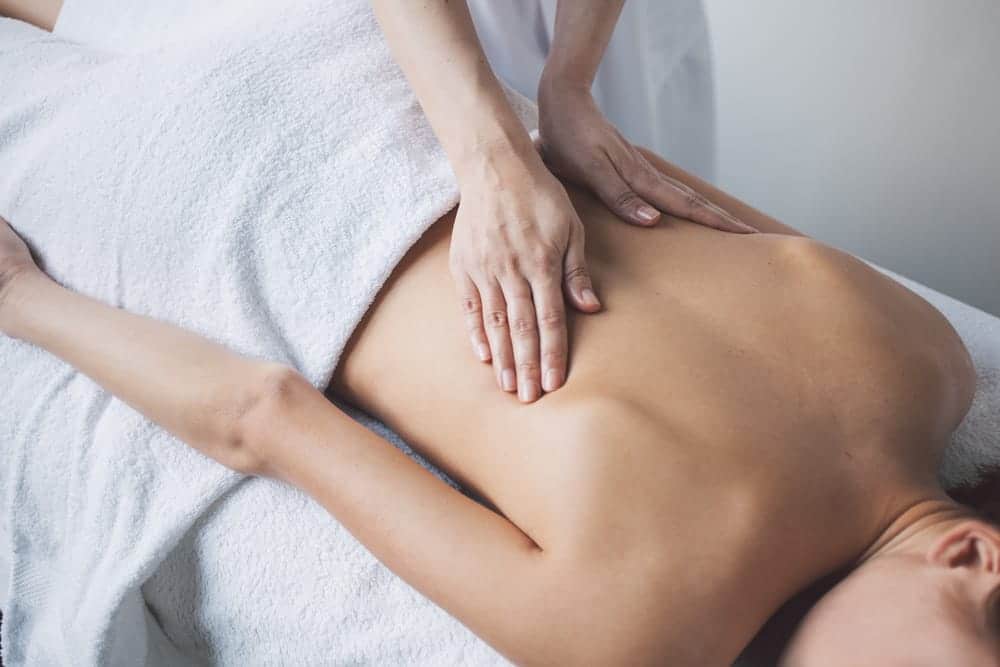
A typical session usually lasts 60–90 minutes. You’ll remain comfortably clothed while your therapist gently guides you through a series of stretches, light pulls, and rhythmic pressure along your body’s energy lines.
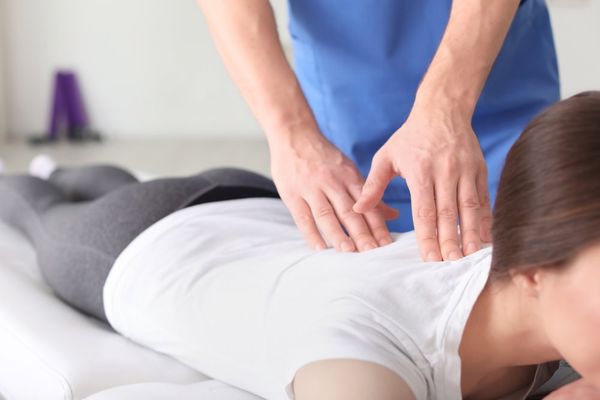
During a Thai massage pain relief session, you’ll be comfortably positioned on a mat or massage table, either lying down or sitting. This setup helps ease tension, improve flexibility, and leave you feeling more at ease in your daily movements.
If you’re considering exploring different ways to manage pain, it helps to know how expert Thai massage care can fit alongside other approaches. Each method offers unique techniques, intensity levels, and benefits.
| Approach | Technique | Intensity | Benefits | Ideal Use Cases / Complementary Care |
| Thai Massage | Assisted stretching, rhythmic pressure, compression along energy lines | Moderate (movement‑based, rhythmic) | Improves flexibility, supports pain relief, and mobility | Great with physical therapy for flexibility; complements chiropractic alignment work |
| Swedish Massage | Long, gliding strokes and gentle kneading | Light to moderate | Promotes relaxation, reduces general muscle tension | Good for stress reduction and basic muscle relief alongside therapy |
| Deep Tissue Massage | Slow, firm pressure into deeper muscle layers | Higher intensity | Targets chronic muscle tension and adhesions | Best for deep muscle tightness, use with clinician guidance to avoid irritation |
Together, these approaches make it easier to stay flexible, shake off those nagging aches, and keep your joints feeling supported day by day.
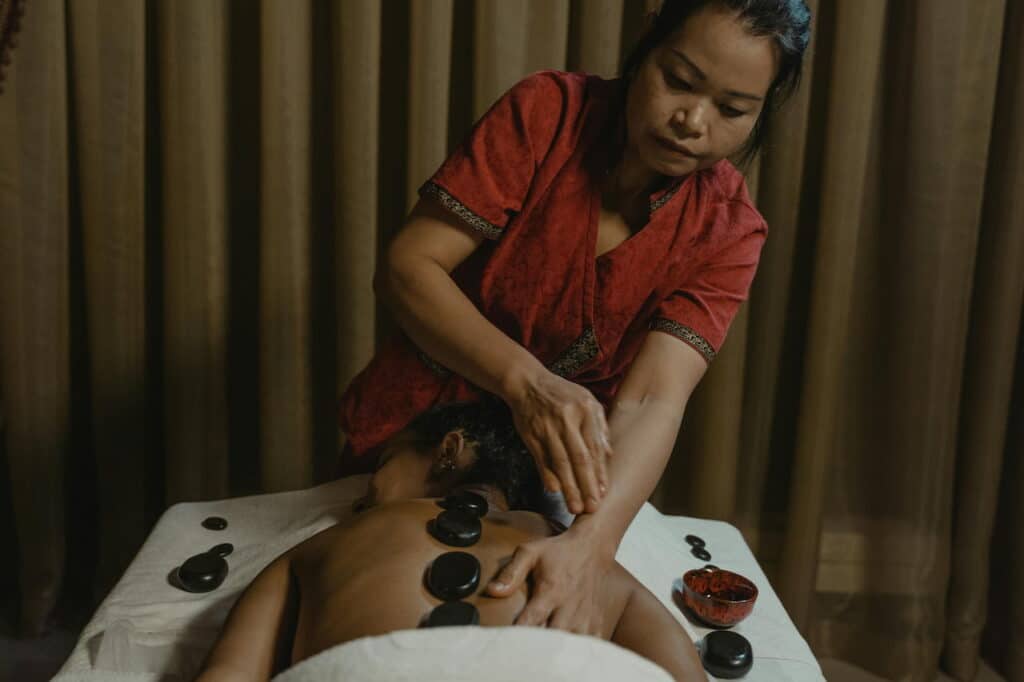
Regular Thai massage can be a valuable part of a holistic pain management plan. Many people find that setting a steady rhythm, such as weekly or bi-weekly sessions, helps keep discomfort in check and flexibility getting better over time.
At home, simple habits like gentle stretching, moving often, and staying hydrated can extend the benefits of each session. Pairing Thai massage with mindfulness practices, ergonomic adjustments at home or work, and regular physical activity creates a well-rounded routine that supports comfort, mobility, and overall joint health.
Yes, Thai massage can safely complement physical therapy, chiropractic care, and other holistic strategies to enhance flexibility, reduce tension, and support overall pain management through massage therapy.
For chronic pain, sessions are generally recommended once or twice a week, depending on comfort, tolerance, and response to treatment. Some people benefit from weekly sessions, while others prefer less frequent visits.
Yes, it’s generally safe. However, it’s important to let your therapist know about any medical conditions, and check with a healthcare provider if you have conditions like osteoporosis, recent injuries, or pregnancy complications. With the right precautions and modifications, Thai massage can be adapted to support your needs safely.
Wear comfortable, loose-fitting clothing that lets you move freely. Thai massage is performed fully clothed and involves assisted stretches, so ease of movement makes the experience more relaxing.
Think of Thai massage as a form of assisted yoga. It focuses on stretches and gentle, rhythmic pressure to help you move more freely. Swedish massage, on the other hand, focuses on relaxation: long flowing strokes that melt away stress. Deep tissue massage goes deeper, using firm pressure to work out stubborn knots and chronic muscle tension.
As part of a holistic pain management plan, Thai massage offers more than temporary relief. With regular care, it supports mobility, circulation, and overall well-being, helping you maintain comfort and confidence as you go about your day.
Looking for a reliable Thai massage provider in Willis and Montgomery? With the guidance of a skilled therapist, Thai massage at Better Care Chiropractic & Physical Therapy can seamlessly fit into your pain relief plan, offering greater comfort, improved movement, and better joint health. Schedule a consultation today!







Willis
804 W Montgomery St, Willis, TX, 77378
Montgomery
17099 Walden Rd Suite 100 Montgomery, TX. 77356