

Electrical Muscle Stimulation in Montgomery & Willis
When pain returns just a few days after an adjustment, the underlying issue may involve more than just the joint. Tight, fatigued, or spasming muscles can continue to place stress on the surrounding joints and spine, making it harder to maintain the benefits of a treatment.
At Better Care Chiropractic & Physical Therapy in Montgomery and Willis, we use electrical muscle stimulation as part of a coordinated treatment plan alongside chiropractic care and physical therapy to help provide relief and support faster recovery.
What Is Electrical Muscle Stimulation?
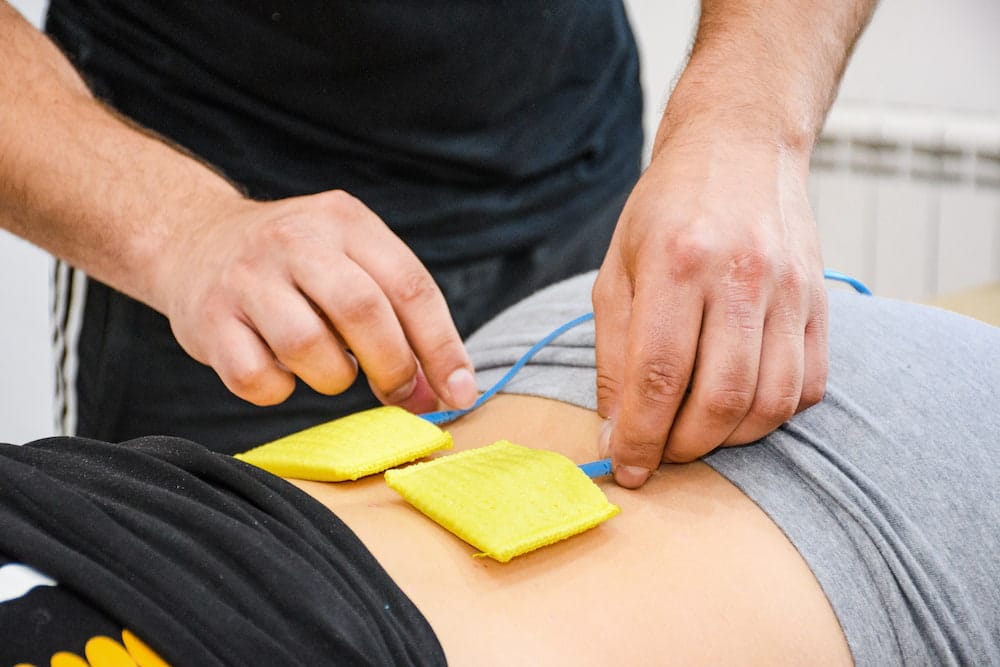
Electrical muscle stimulation is a form of physical therapy which uses mild electrical impulses to cause specific muscle contractions. These impulses are delivered by small electrode pads that are placed on the skin, simulating the signals that your nervous system normally sends to your muscles in order to reduce tension, improve circulation, and aid recovery.
EMS vs. TENS: Two Types of Electrical Stimulation
Both electrical muscle stimulation (EMS) and transcutaneous electrical nerve stimulation (TENS) use mild electrical impulses, but they function in different ways and serve different purposes.
The table below shows the main differences in order to help you decide which kind of electrical stimulation might be more appropriate for your requirements.
Factor | EMS | TENS |
|---|---|---|
Nerves targeted | Motor nerves | Sensory nerves |
What it does | Contracts the muscle | Blocks pain signals |
Typical frequency | 50 to 80 Hz, wider pulse width | 80 to 120 Hz, narrower pulse width |
What you feel | Rhythmic pulling or twitching | Steady tingling or buzzing |
Best suited to | Muscle spasm, guarding, atrophy prevention | Ongoing nerve-related pain |
Conditions Treated with EMS Therapy
At Better Care Chiropractic & Physical Therapy, we use EMS therapy as part of a personalized care plan to help treat conditions that cause weakened or injured muscles. Some of these conditions include:
- Back Pain and Neck Pain: EMS can help reduce muscle spasms surrounding the spine, allowing the benefits of adjustments to remain longer.
- Post-surgical Muscle Weakness: When exercise is limited after surgery, EMS can stimulate controlled muscle contractions to help maintain muscle activity and minimize weakness during recovery.
- Sciatica: EMS may help reduce muscle tension and spasms in the lower back and hip, easing some of the muscular factors contributing to sciatic nerve irritation.
- Sports Injuries: For strains, sprains, and tendon-related injuries, EMS can stimulate affected muscles and enhance circulation to support rehabilitation.
- Chronic Pain Conditions: For conditions such as arthritis and fibromyalgia, EMS may be used alongside other therapies to help manage symptoms better.
- Muscle Guarding: When muscles tighten protectively after a spinal adjustment, a brief EMS session may help relax those muscles and improve treatment outcomes.
What to Expect During an EMS Session
Knowing what to expect can make your EMS treatment feel more comfortable and straightforward. Our team guides you through each step, from treatment preparation to the completion of the session. Here’s what you can expect.
- Muscle Assessment: We identify the muscle group that needs treatment based on your diagnosis and clean the skin to prepare the area.
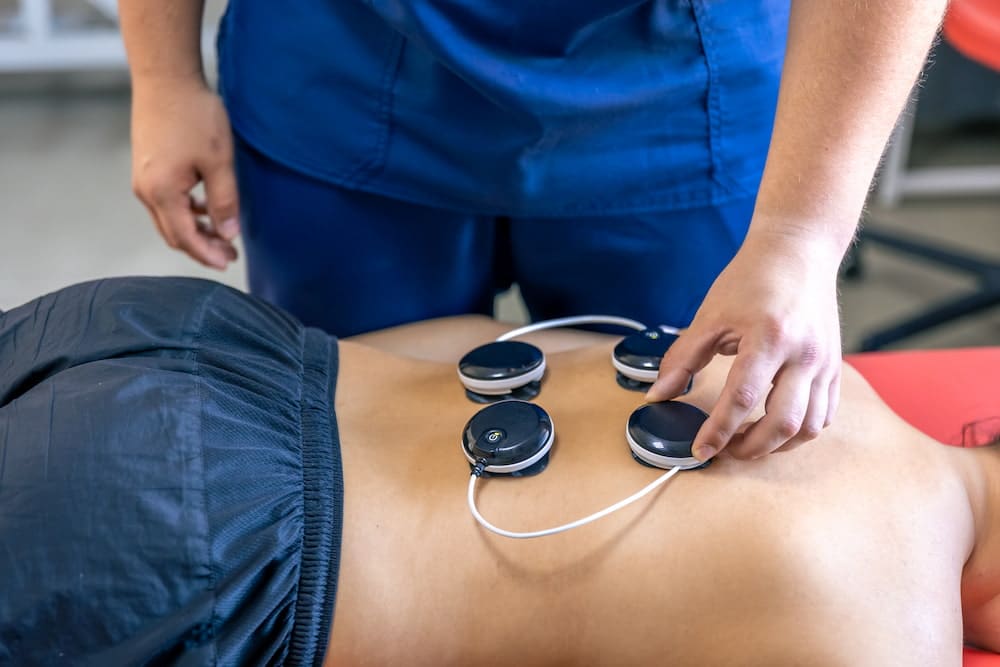
- Electropad Placement: With the right muscle group identified, the electrode pads are carefully placed over the targeted muscles, connected to the stimulation unit, and then the treatment begins.
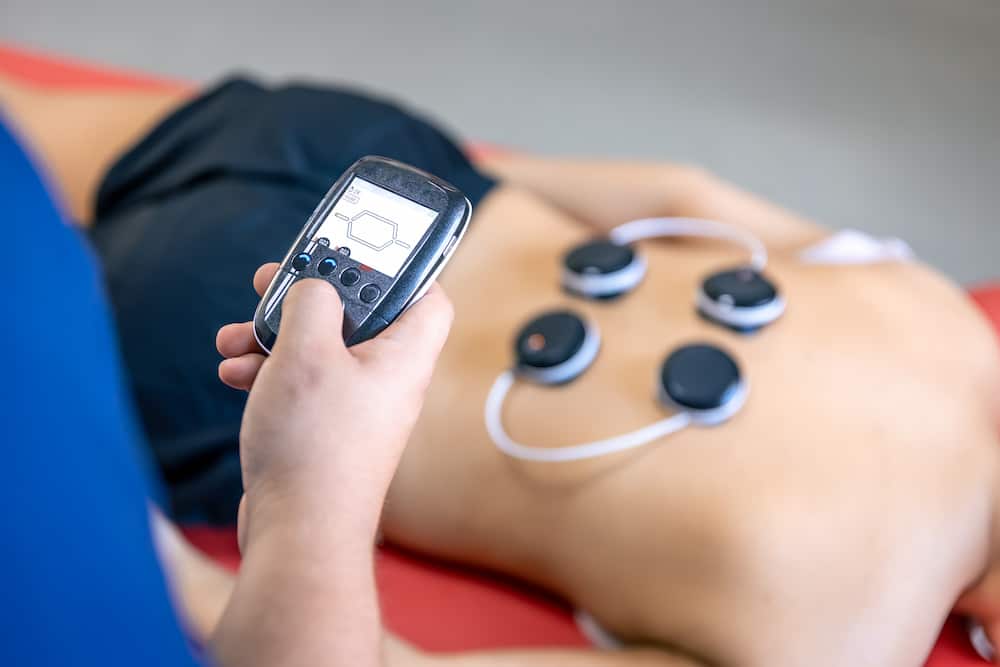
- Intensity Adjustment: The electrical current is increased gradually until you feel a mild, rhythmic muscle contraction or a gentle tingling sensation. If the stimulation becomes uncomfortable at any point, the intensity is reduced right away.
- Controlled Stimulation: The EMS unit typically runs for 10 to 20 minutes, depending on your condition and rehabilitation goals. Some patients may notice improvements after the first session, while others may require several sessions to achieve meaningful progress.
Is Electrical Muscle Stimulation in Willis and Montgomery Safe?
Yes. Electrical muscle stimulation is generally safe when administered by a licensed healthcare professional using FDA-cleared equipment. Side effects are uncommon and usually limited to mild skin irritation at the pad site.
Before treatment, our chiropractor or physical therapist screens you for potential risks and adjusts the stimulation to your needs. However, EMS is not appropriate for everyone. If any of these apply, inform us immediately before treatment.
- A pacemaker or an implanted defibrillator
- Active cancer in the area being treated
- Epilepsy or a seizure disorder
- Pregnancy, particularly for placement over the abdomen or pelvis
- Broken, infected, or irritated skin at the electrode site
- Reduced or absent sensation in the target area
Why Choose Better Care Chiropractic & Physical Therapy for EMS Therapy in Willis and Montgomery
Choosing the right EMS provider should ensure that you receive experienced care, have easy access, and benefit from treatment options that support you throughout your recovery process. That's what sets us apart.
- Professional team: Our team consists of one certified chiropractor, one physician, and experienced physical therapists who will ensure you receive personalized, targeted care for a speedy recovery.
- Insurance-friendly care: We accept most major insurance plans, including Medicare, to ensure care is accessible.
- Integrated treatment options: Chiropractic care, physical therapy, and pain-management injections are available within a single practice.
- Convenient: Our clinics, located in Willis and Montgomery, follow the same clinical protocol and offer flexible appointments, walk-ins, and same-week evaluations for nearby communities.
Book Your EMS Consultation
You don’t have to keep living with pain; the right care can help you move and feel your best. At Better Care Chiropractic & Physical Therapy, we combine electrical muscle stimulation with chiropractic adjustments and rehabilitation exercises to help address your condition from multiple angles.
If you need additional support, our pain management physician can evaluate whether targeted injections may be appropriate. Let’s find a way forward together. Schedule a consultation today for electrical muscle stimulation in Willis or Montgomery.
Frequently Asked Questions
Chiropractors use electrical muscle stimulation to ease muscle spasms, reduce inflammation, and help relieve pain from conditions such as back pain, neck pain, and sciatica. It is often applied alongside a chiropractic adjustment to help the adjustment last longer and improve overall treatment results.
Most patients describe it as a mild tingling or a gentle muscle contraction. The intensity is always adjustable, and your chiropractor gradually increases it until you are comfortable. If the sensation becomes too strong, the current is reduced right away.
Most EMS sessions take about 10 to 20 minutes. However, since EMS is often combined with other treatments, such as a chiropractic adjustment or physical therapy, your full appointment may take around 30 to 45 minutes.
The number of sessions depends on your condition, symptoms, and treatment goals. Many patients begin noticing the benefits of electrical muscle stimulation, such as reduced pain and improved muscle function, within three to six sessions, while some may feel relief after their first session.
Your chiropractor will recommend a personalized treatment plan based on your initial evaluation.
Many plans, including Medicare, cover electrical muscle stimulation when it is medically necessary and prescribed by a licensed provider. If you are looking for a clinic in Willis or Montgomery that offers electrical muscle stimulation, you can call us directly at (936) 890-2273. We can help verify your specific coverage before your first visit.
EMS targets motor nerves to contract muscles, which helps reduce spasm and limit atrophy. TENS targets sensory nerves to block pain signals. Both are available at Better Care, and your chiropractor selects the appropriate one based on your diagnosis.
Patients with pacemakers, implanted defibrillators, active cancer in the treatment area, epilepsy, or pregnancy should not receive EMS without physician clearance. Your chiropractor screens for all contraindications before the first session.
